Sensory-Friendly NDIS Massage Therapy for Autism at Home

By Jade Stewart, Mobile And Home Therapies (MAHT)
NDIS massage for autism represents an innovative approach to therapy that adapts to the unique sensory needs of individuals with Autism Spectrum Disorder (ASD). This sensory-friendly therapy not only aims to enhance the overall well-being of participants but also promotes a calming environment that can significantly reduce anxiety and sensory overload experienced by many on the autism spectrum. This article explores the specifics of sensory therapy needs under the NDIS framework, the nature of autism’s impact on sensory processing, funding support for in-home services, benefits of mobile sensory massage, guidance on finding appropriate therapists, and answers to frequently asked questions about sensory-friendly massage.
What Are Sensory Therapy Needs for Autism Under the NDIS?
Sensory therapy needs for autism encompass a spectrum of requirements aimed at alleviating sensory processing issues commonplace among individuals with autism. These needs are recognized under guidelines set forth by the National Disability Insurance Scheme (NDIS), which facilitates tailored therapy interventions. Customized approaches based on individual assessments ensure that the therapeutic strategies employed effectively cater to the specific sensory challenges faced by each person.
How Does Autism Affect Sensory Processing?
Autism often leads to significant sensory processing differences, where individuals may experience heightened or diminished sensitivities to stimuli in their environment. For example, typical sounds may appear overwhelmingly loud, promoting stress and discomfort, while others may fail to register. Such differences can significantly impact daily activities, from social interactions to personal care, necessitating the need for tailored therapeutic approaches that consider unique sensory experiences.
Which Sensory-Friendly Massage Techniques Support Autism?

Several sensory-friendly massage techniques can support individuals with autism, focusing on their specific needs and responses to touch. Techniques such as gentle pressure, rhythmic movements, and the use of calming essential oils can create a soothing environment that lessens anxiety and improves relaxation. These methods aim to integrate sensory stimulation in a manner that is both comfortable and beneficial, gradually helping individuals manage their sensory inputs more effectively.
Sensory Support and Vibration Massage for Autism Spectrum Disorder 1. Autism spectrum disorder (ASD) is a neurodevelopment disorder characterised by a wide range of challenges related to impaired social communication, and repetitive behaviours. According to global statistics, 1% of the world’s population is diagnosed with autism. The role of sensory support is crucial in autistic individuals, to reduce their sensory sensitivities and provide them a sense of comfort. This report delves into providing sensory support through an innovative smart jacket incorporating music therapy elements and deep pressure stimulation. This smart accessory aims to offer a portable and versatile solution. It is attempted through diligent design methodologies—User centered design (UCD), and ‘user in the loop’ approach. The smart jacket encompasses of sensory-friendly material, vibration-massage functions, and dual driver audio pods, which directly delivers music to the ears. A remote is design to allow easy control and customisation, empowering users, parents and caretakers to control the sensory experience. It also includes safety features, such as timers and pressure sensors to prevent overstimulation. The proposed solution benefits autistic individuals across the entire autism spectrum. This novel jacket offers a holistic and personalised approach to sensory support, promoting wellness and emotional regulation among autistic individuals, becoming the new frontier in treating autism. SensaCalm Jacket–A Novel Way of Transforming Autism Therapy, N Balakrishnan, 2024
How Does NDIS Funding Support In-Home Sensory Massage Services?
The NDIS provides funding avenues to facilitate in-home sensory massage services, ensuring that therapeutic supports are accessible and tailored to individual needs. Through the NDIS, participants can access a wide range of therapies, including those specifically designed to address sensory integration challenges faced by individuals on the autism spectrum.
What Are Eligibility Criteria for NDIS-Funded Autism Therapies?
Eligibility for NDIS-funded autism therapies is determined by specific conditions, including a confirmed diagnosis of autism spectrum disorder and an assessed need for therapeutic services. Participants must have their needs documented, and often, registered therapists play a crucial role in facilitating this process by providing required documentation and support.
Are Mobile Autism Therapy Services Covered by NDIS?

Indeed, mobile autism therapy services are included under NDIS funding. This coverage allows practitioners to deliver therapy directly in the comfort of the participant’s home, enhancing accessibility and convenience. Services may include sensory-based massage, which is especially beneficial for individuals who may experience distress in traditional clinical environments.
What Are the Benefits of Mobile Sensory Massage for Autism at Home?
Mobile sensory massage therapy at home offers multiple therapeutic benefits tailored to meet the needs of individuals with autism. This advantageous approach ensures that therapy is delivered in a familiar, comfortable environment, which can significantly help in reducing anxiety and enhancing engagement.
How Does Home-Based Therapy Improve Sensory Integration?
Home-based therapy fosters an environment conducive to sensory integration, allowing therapists to work directly with individuals in their familiar settings. This personalized care approach often leads to improved outcomes as families can actively participate in sessions, supporting their loved ones and reinforcing therapeutic techniques in day-to-day life. To understand more about how sensory integration is achieved through various therapeutic modalities, exploring resources on can be insightful.
“sensory integration therapy”
What Evidence Supports Massage Benefits for Autism Sensory Needs?
Research indicates that sensory massages can lead to decreased anxiety levels, improved sleep quality, and enhanced emotional regulation for individuals with autism. Several studies highlight that engaging in consistent massage therapy can produce beneficial outcomes, particularly in managing the sensory overload commonly experienced by these individuals, resulting in a more balanced emotional state. These benefits are often supported by findings related to .
“autism sensory needs research”
How to Find and Choose NDIS Approved Massage Therapists for Autism?
Choosing the right NDIS-approved massage therapist requires careful consideration of various factors to ensure the best possible outcomes for individuals with autism. This process involves assessing credentials, experience, and the therapist’s approach to sensory-friendly techniques.
What Credentials and Sensory Expertise Should Therapists Have?
Therapists working with autism should possess relevant qualifications, including specialized training in sensory integration and therapeutic techniques. Important credentials include certifications in massage therapy and experience in working with children and adults on the autism spectrum. Understanding sensory-specific needs builds a solid foundation for effective therapeutic interventions.
What to Expect From a Sensory-Friendly Massage Therapy Session?
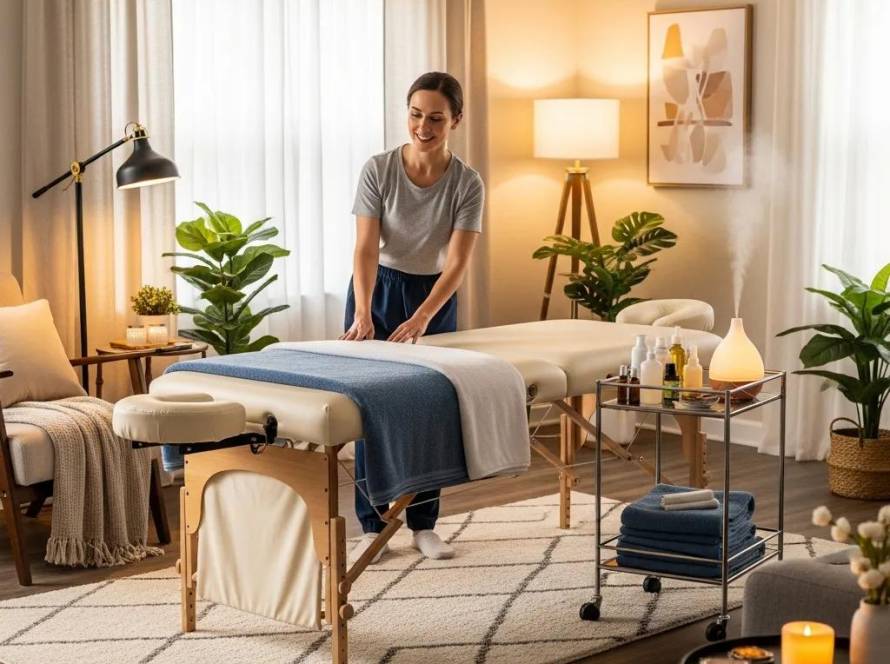
During a sensory-friendly massage therapy session, individuals can expect a calming atmosphere, tailored techniques, and a focus on their specific sensory preferences. Therapists should be equipped to modify their approach based on feedback, ensuring that the session is both comfortable and beneficial for the individual, with anticipated positive outcomes in their sensory experiences. The field of alternative therapies for autism is constantly evolving, and learning about can provide a broader understanding of available support.
“NDIS approved autism therapies”
What Are Common Questions About Sensory-Friendly Massage and NDIS?
Sensory-friendly massage raises several pertinent questions for parents and caregivers seeking therapeutic support for individuals with autism. Understanding the differences between typical massage practices and sensory-friendly approaches is crucial for making informed decisions.
How Is Sensory Massage Different From Traditional Massage?
Sensory massage specifically addresses the unique sensory processing needs of individuals with autism. Unlike traditional massage, which focuses primarily on relaxation and muscle relief, sensory massage is mindful of individual sensitivities and may incorporate various techniques designed to promote comfort and calming effects. This focused approach is essential for creating a positive therapeutic experience.
How to Integrate Sensory Massage Into a Broader NDIS Plan?
Integrating sensory massage into a broader NDIS plan involves confirming eligibility under the NDIS, developing a personalized care plan, and documenting progress to maintain funding support. Families should collaborate with therapists to align sensory massage with other therapeutic services outlined in their NDIS plan, ensuring a holistic approach to care.