Discover the Benefits of NDIS Mobile Massage
By Jade Stewart, Mobile And Home Therapies (MAHT)
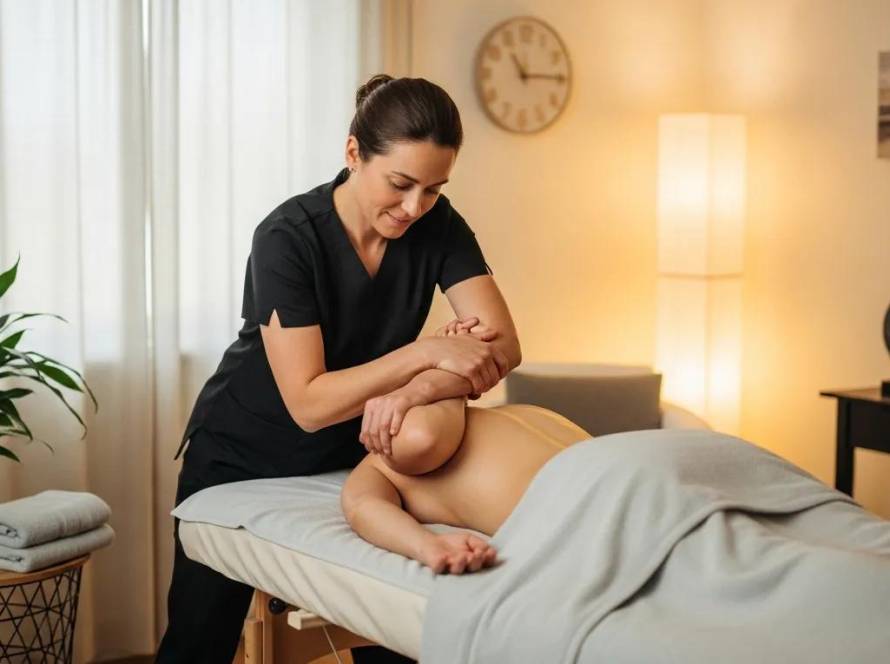
Mobile massage therapy, particularly within the context of the National Disability Insurance Scheme (NDIS), is transforming the way individuals with disabilities receive therapeutic care. This article delves into the numerous benefits of NDIS mobile massage, exploring how it enhances well-being, improves accessibility, and significantly impacts the quality of life for participants. By understanding these benefits, clients can better appreciate how in-home therapy services cater to their specific needs, thereby empowering them in their daily lives.
As more people recognize the challenges associated with accessing traditional massage therapy, mobile massage emerges as a convenient solution tailored to support individuals with varying disabilities. The following sections cover essential aspects, including enhancements to well-being, improved accessibility, and the overall impact on quality of life.
Enhancements to Well-Being

Mobile massage therapy contributes significantly to the physical and emotional well-being of NDIS participants. The tailored nature of these services allows clients to experience stress reduction, improved sleep quality, and relief from persistent pain. By addressing both physical ailments and emotional distress, mobile massage helps clients lead healthier and happier lives.
The individualized approach of mobile therapy not only fosters relaxation but also promotes a stronger sense of self-worth and independence. These improvements are crucial for maintaining mental health and achieving a balanced lifestyle. Moreover, therapeutic touch from professional massage therapists can have profound effects, as numerous studies support its positive impact on well-being.
Improved Accessibility
Accessibility is a vital component of effective health service delivery, especially for individuals with disabilities. NDIS mobile massage services enhance accessibility by providing convenient in-home care tailored to each client’s unique situation. This personalized approach ensures that clients receive the treatments they need without the stress of transportation issues or navigating complex health service environments.
Mobile massage therapists adapt their techniques to clients’ individual requirements, promoting a comfortable and supportive atmosphere. By reducing these barriers, clients can focus more on their therapeutic outcomes rather than logistical challenges. As a result, in-home services empower individuals by prioritizing their comfort and needs while accessing care.
Impact on Quality of Life
The significance of mobile massage therapy goes beyond immediate physical benefits, influencing the overall quality of life for NDIS participants. Emotional well-being is enhanced through consistent therapeutic interactions that foster connections and trust between therapists and clients. Additionally, clients gain increased independence and can better integrate this therapy with other supportive health services.
With in-home massage, participants also experience a sense of safety and reassurance in their familiar environments, allowing them to relax more fully during each session. This positive experience contributes to their holistic health, encouraging self-care practices and fostering healthier lifestyles.
In summary, NDIS mobile massage offers substantial benefits that encompass physical relief, emotional support, and improved accessibility for participants. These services are not just about improving immediate health outcomes; they play a critical role in enhancing the overall quality of life. By understanding the significant advantages of mobile therapy, individuals with disabilities can make informed decisions about their care options and empower their journey toward greater independence and well-being.
Why In-Home Therapy is a Game-Changer for NDIS Participants
In-home therapy represents a revolutionary approach for NDIS participants seeking effective and comfortable therapeutic care. The convenience offered by mobile massage services allows individuals to receive professional treatments within their personal environments, which are often conducive to relaxation and comfort.
- Convenience of services at home: Clients can conveniently schedule appointments without the need for travel, significantly reducing the stress associated with mobility challenges.
- Personalized treatment in comfortable settings: Mobile therapists can tailor treatments specifically to the needs of each participant, applying techniques suited to individual requirements.
- Reduced reliance on transportation: By eliminating the need for travel, in-home therapy helps clients focus on their recovery rather than navigating logistical obstacles.
Eliminating Travel Stress and Mobility Barriers
Mobile massage therapy effectively addresses anxiety and stress associated with travel for NDIS participants. Many individuals face significant challenges in reaching therapy appointments due to physical limitations or mobility issues. Eliminating these barriers not only alleviates stress but also enhances the overall effectiveness of therapeutic sessions.
Having massage therapists come directly to clients’ homes allows them to bypass the difficulties of transportation and associated inconveniences. This in-home service fosters a relaxing experience, enabling clients to engage fully in their therapy, ultimately resulting in healthier coping mechanisms and enhanced therapeutic success.
Receiving Care in a Safe, Familiar Environment
Receiving care in a secure and familiar environment provides considerable psychological advantages for NDIS participants. When individuals are in their own homes, they can relax more effectively, leading to increased therapeutic benefits.
- Comfort of familiar settings: Familiar surroundings promote relaxation, which is essential for effective therapy.
- Open communication: Mobile massage allows for better dialogue between clients and therapists, facilitating greater understanding and personalized adjustments.
- Personalized adaptation: Therapists are able to make immediate adjustments to treatments based on real-time feedback, ensuring maximum comfort and effectiveness.
Physical and Mental Health Benefits of Mobile Therapy for NDIS
The benefits of mobile massage therapy for individuals with disabilities extend across both physical and mental health domains. Incorporating these therapeutic services into daily routines can lead to long-lasting improvements.
- Emotional well-being improvement: Regular massage can significantly bolster mental health, reducing feelings of anxiety and depression.
- Chronic pain relief: Techniques employed in massage therapy alleviate pain associated with various disabilities, enhancing overall quality of life.
- Enhanced overall health: Consistent therapy fosters better circulation, increased flexibility, and improved sleep patterns.
By addressing these essential areas, mobile therapy equips NDIS participants with the tools necessary to lead fuller, more dynamic lives.
Pain Management and Muscle Tension Relief
Mobile massage therapy is particularly effective in managing pain and relieving muscle tension for NDIS participants. Specialized techniques are used to address specific areas of discomfort or chronic pain, ensuring that each client’s needs are comprehensively met.
- Pain reduction methods: Techniques such as deep tissue massage or therapeutic stretching directly target pain areas, providing immediate relief.
- Muscle tension alleviation: Regular sessions can prevent muscle tightness, allowing for greater mobility and comfort.
- Support for chronic conditions: Mobile massage can be tailored to support chronic conditions, integrating seamlessly with other therapeutic approaches.
Reducing Anxiety and Promoting Relaxation
One of the significant advantages of mobile therapy is its ability to reduce anxiety and promote relaxation, crucial for individuals managing disabilities. By providing therapy in the comfort of home, clients can experience assisted relaxation techniques that significantly enhance their emotional wellness.
- Lowering stress hormone levels: Massage therapy effectively reduces cortisol levels, promoting relaxation and a sense of calm.
- Impact on sleep quality: Studies indicate that regular massage improves sleep efficiency, fostering a well-rested condition.
- Improvement in mental health: The relaxing effects of massage can directly support overall mental wellness, reducing the likelihood of conditions such as anxiety and depression.
Tailored Care for Diverse Disability Needs
An essential aspect of mobile massage is its ability to offer tailored care that caters to the diverse needs of clients with disabilities. Different clients require customized approaches based on their specific health challenges and treatment goals.
Customizing Techniques for Sensory or Physical Sensitivities
Specific adjustments to techniques ensure that therapy is both safe and effective for individuals with varying levels of sensory or physical sensitivities.
- Adjusting pressure styles: Therapists can modify the intensity of the massage to suit individual tolerance levels, ensuring a comfortable experience.
- Creating sensory-friendly environments: Mobile therapists often adjust their settings, such as lighting and sound, to accommodate client preferences.
- Collaborating with caregivers: Involving family or caregivers can enhance the therapeutic experience, aligning on the client’s specific needs and preferences.
In-Home Disability Massage Sydney: What to Expect
In-home disability massage services offer a range of options for NDIS participants, designed to maximize comfort and accessibility. Clients can anticipate personalized care that addresses their specific requirements.
This service focuses on empowering individuals and acknowledging their unique challenges while delivering quality therapeutic support. Understanding what to expect during these sessions can help clients feel more comfortable and prepared.
Navigating NDIS Mobile Massage Benefits
Exploring the NDIS mobile massage services reveals the extensive benefits readily available to participants. Understanding these offerings can guide informed decisions about one’s therapeutic journey.
With the correct knowledge, individuals can leverage these mobile services to enhance their health and well-being while navigating their NDIS plans effectively.
Aligning Massage with Your NDIS Goals
Clients can align their mobile massage therapy with their NDIS goals to ensure that their therapeutic needs are met efficiently. Establishing clear communication with therapists regarding their objectives helps personalize the service.
This synergy between client goals and treatment approaches leads to improved outcomes, ensuring that individuals not only receive massage therapy but also thrive in their broader health contexts.