Our Commitment to Safety in In-Home Massage Therapy
By Jade Stewart, Mobile And Home Therapies (MAHT)
In-home massage therapy can provide a relaxing and customized experience, but safety measures must be prioritized to ensure the well-being of both clients and therapists. This article explores the safety protocols integral to in-home massage sessions, emphasizing how such measures help establish a secure environment. Readers will learn about hygiene practices, therapist qualifications, and communication strategies that contribute to a safe and effective massage experience. With a focus on the unique needs of National Disability Insurance Scheme (NDIS) participants, the content covers various safety considerations and arrangements. By understanding these crucial elements, clients can enjoy peace of mind during their wellness journeys.
Our Commitment to Safe In-Home Massage in Sydney
Ensuring safety in in-home massage therapy is a paramount responsibility that incorporates various commitment levels from both therapists and organizations. This commitment is reflected in the thorough training, adherence to hygiene protocols, and focused safety guidelines meant to provide optimum comfort and security. Additional measures are specifically designed to cater to NDIS participants, emphasizing the need for a safe practice tailored to their unique requirements.
Creating a Secure and Comfortable Environment
To foster a secure and comfortable atmosphere during in-home massage sessions, certain protocols must be adopted. This includes:
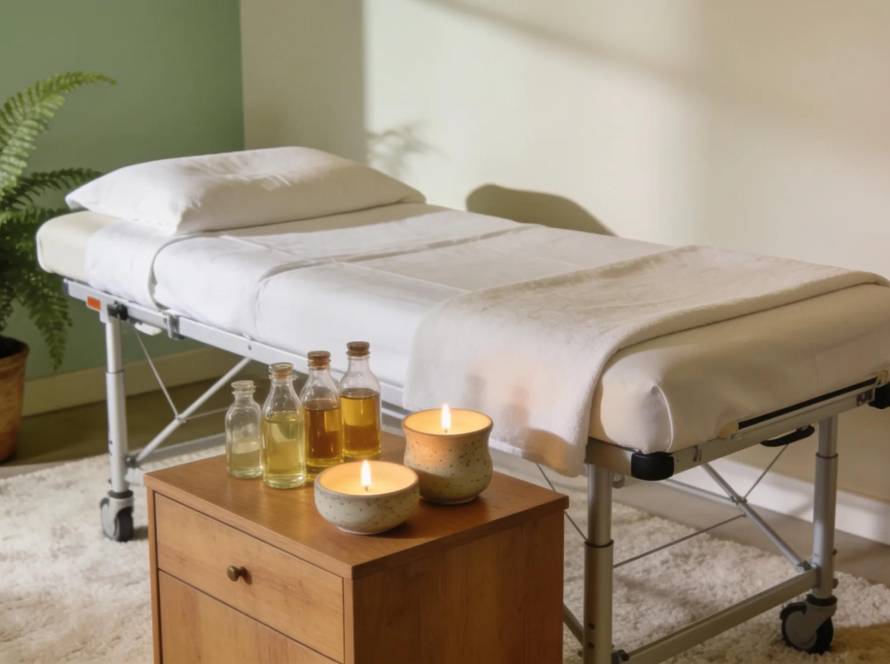
- Clear Space Requirements: Maintaining an uncluttered area where clients can relax and feel safe.
- Privacy Arrangements: Ensuring the space respects personal privacy and confidentiality.
- Sanitation Supplies: Utilizing high-quality hygiene products and tools to guarantee the therapist’s and clients’ health.
Adhering to these protocols not only creates comfort but also enhances the overall efficacy of the therapeutic experience. The next aspect of safety involves understanding why these protocols are particularly crucial for NDIS participants.
Why Safety is Our Top Priority for NDIS Participants
Safety protocols specifically tailored for NDIS participants take into account their unique circumstances and the additional care required. Therapists working with these clients must hold specific qualifications that demonstrate their capability to fulfill safety and therapeutic standards. Feedback mechanisms are also in place, allowing clients to voice any concerns, further ensuring a tailored and safe massage experience.
Verified NDIS Therapist Qualifications and Screenings
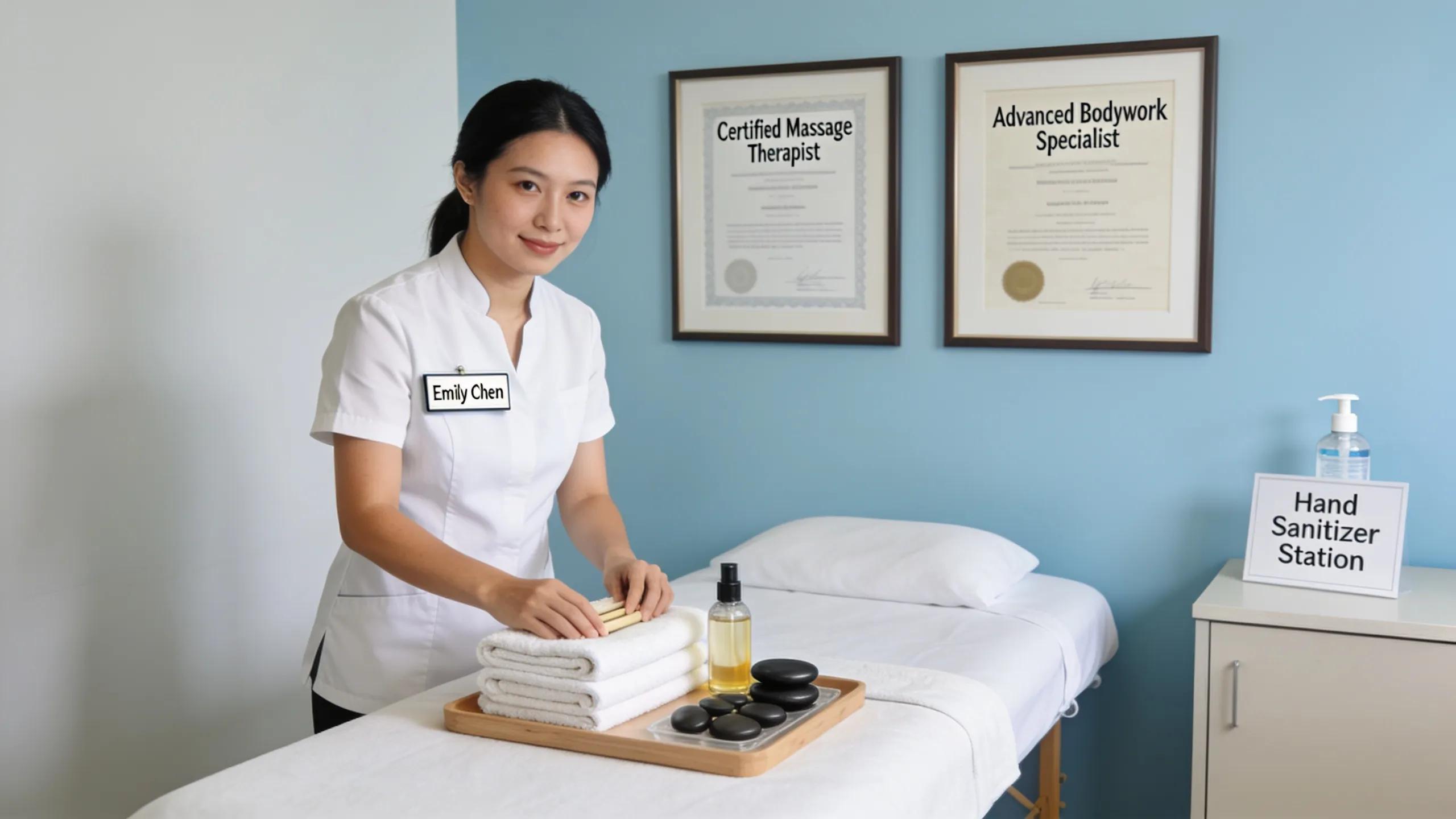
Qualifications and comprehensive screenings are vital in maintaining high standards for therapists providing in-home services. This approach guarantees that only qualified professionals enter clients’ homes, enriching the therapeutic quality through credential verification.
Professional Certifications and Accreditations
The qualifications of therapists offering in-home massage include professional certifications and memberships, which play a critical role in client safety. These certifications typically reflect a range of skills and education that align with hygiene standards, ensuring that therapists are equipped to meet specific needs during sessions.
Background Checks and NDIS Worker Screening
Background checks are an essential aspect of the hiring and vetting process for NDIS therapists. Each practitioner undergoes a rigorous screening process designed to prioritize client safety and ensure only reliable professionals provide services. This not only protects clients but also bolsters the integrity of the in-home massage sector.
Strict Home Massage Hygiene Protocols
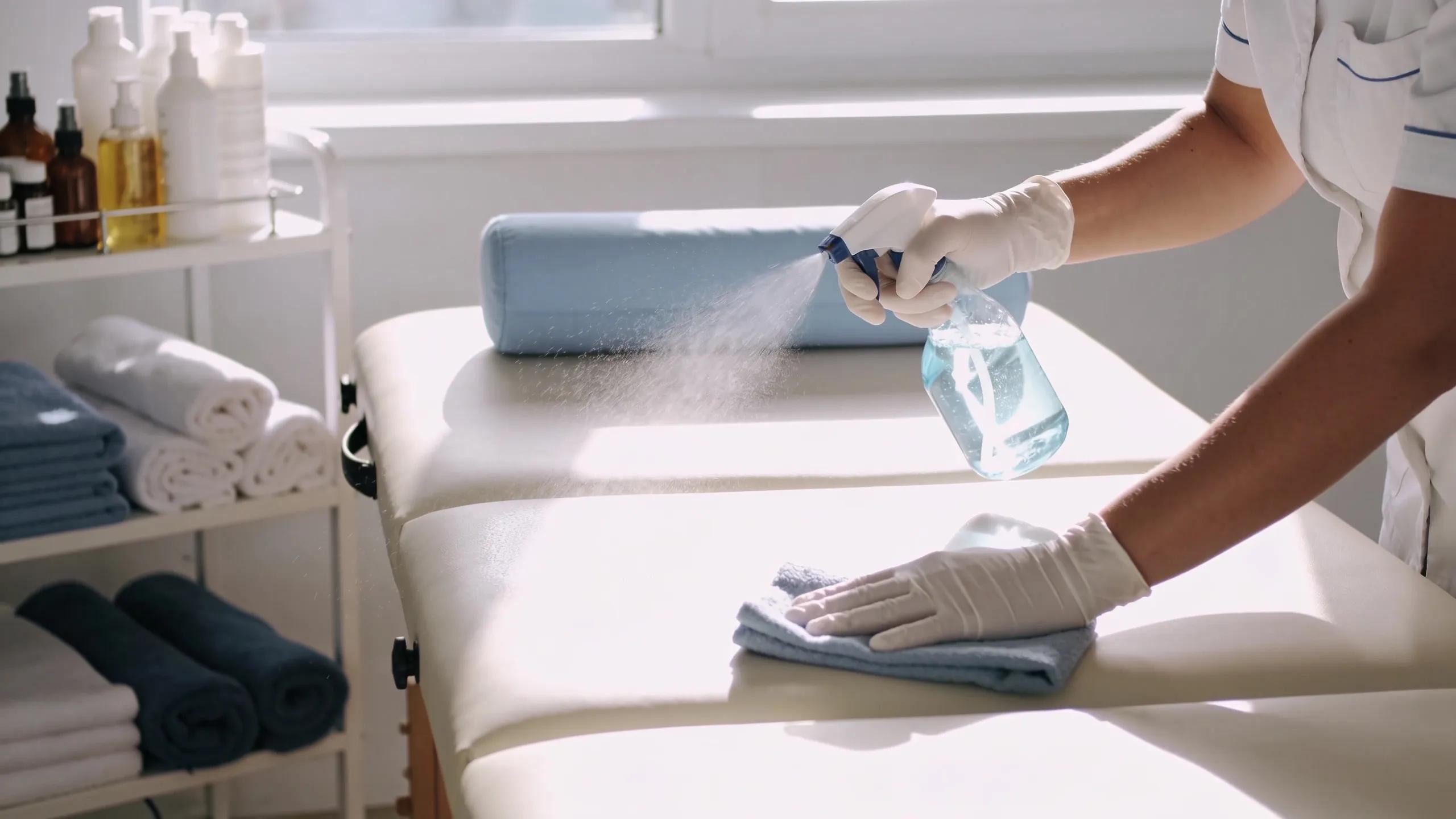
Hygiene protocols are fundamental in creating a safe environment for clients receiving in-home massages. These practices help mitigate any risk of contamination or health issues.
Equipment Sanitisation and Cleanliness Standards
All massage equipment must meet stringent cleanliness standards, with a strong emphasis on the regular sanitization of tools and surfaces. Clean linens and sanitized equipment markedly reduce the risk of cross-contamination, forming a cornerstone of current hygiene practices in massage therapy.
Personal Hygiene and Protective Measures
Therapists must also adhere to strict personal hygiene standards before and during sessions. Important practices include:
- Regular hand washing before interacting with clients.
- Using masks and gloves when necessary to prevent transmission of any illnesses.
- Ensuring personal health is assessed to avoid the spread of any infections.
These measures are crucial in maintaining safety standards, which reassures clients during their massage experience.
Preparing Your Home for a Safe Session
Clients play a pivotal role in ensuring their environment is ready for safe in-home massage therapy. Certain preparations can significantly influence the effectiveness and safety of the therapy provided.
Setting Up a Clear, Comfortable Space
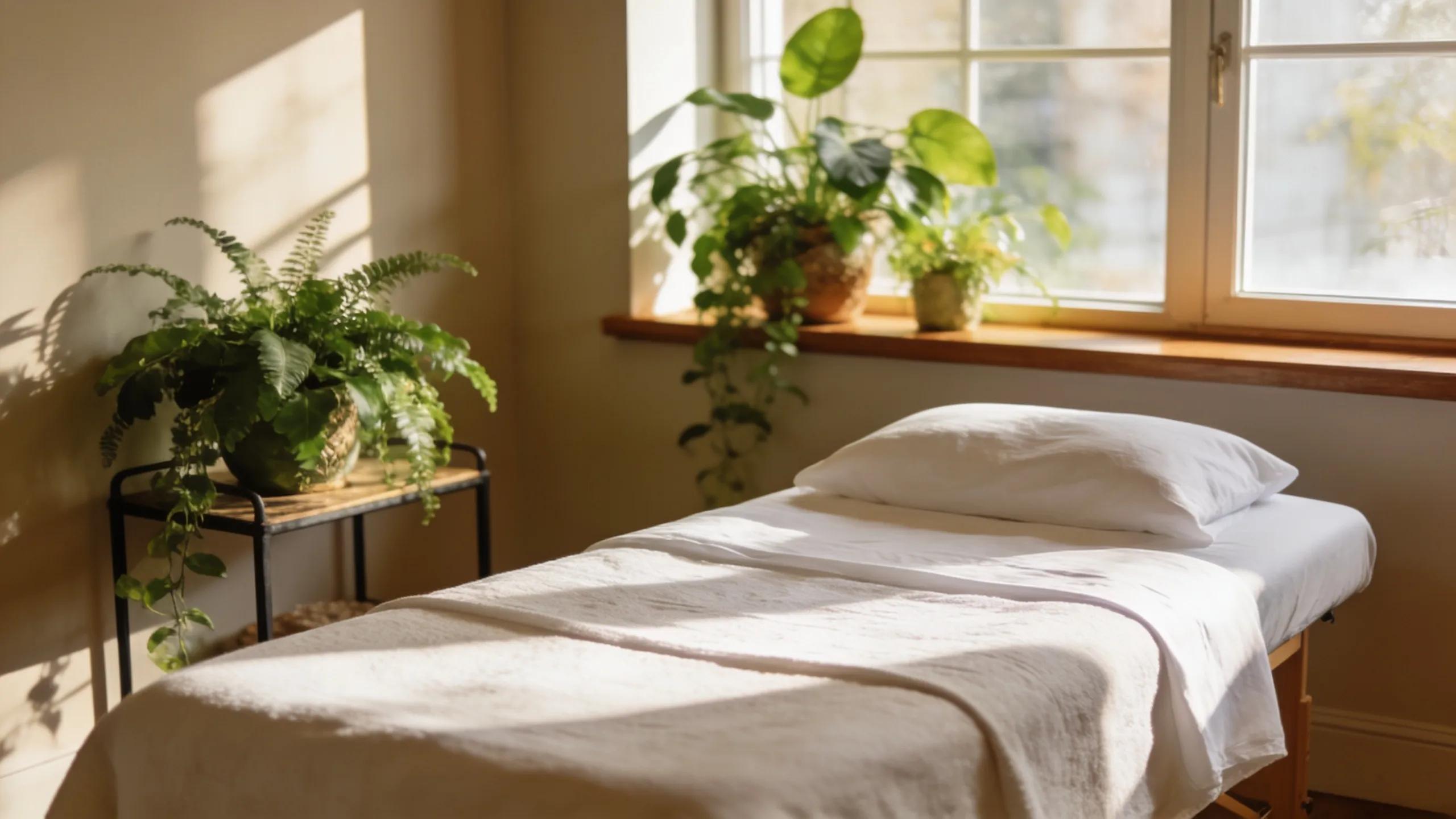
Clients are encouraged to prepare their surroundings, setting aside a clean, comfortable area where the massage can be conducted smoothly. This preparation helps in minimizing distractions and creates a tranquil environment that allows for relaxation.
Communication, Boundaries, and Ongoing Consent
Effective communication is essential in making clients feel safe. Therapists should engage in detailed pre-session conversations to establish comfort, set boundaries, and gain ongoing consent throughout the session. This practice ensures that clients’ needs are respected and that they have control over the process.
The above measures encapsulate the extensive safety protocols in place during in-home massage therapy sessions, reflecting a commitment to client welfare and health. By fostering an environment of safety and comfort, clients can engage fully in their therapeutic experience.