Can I Use My NDIS Funding for Your Mobile Massage Services?
By Jade Stewart, Mobile And Home Therapies (MAHT)
Navigating the world of the National Disability Insurance Scheme (NDIS) can be complex, particularly when it comes to utilizing funding for services like mobile massage. Understanding eligibility requirements, the types of services that are covered, and the limitations involved is crucial for recipients to make informed decisions. This article will delve into how NDIS funding can be strategically used for mobile massage services, ensuring that you get the most out of your plan. Each section will address key criteria, service types, and important considerations for clients exploring these therapeutic options.
Eligibility Criteria
Understanding the eligibility criteria is the first step to accessing mobile massage services through NDIS funding. The key points to keep in mind are that massage therapy must align with disability-related needs and it’s essential to have an approved NDIS plan.
Disability-Related Needs
For clients seeking to use their funding, the massage therapy provided must be closely related to their specific disability-related needs. This requires an understanding of which disabilities qualify for services under the NDIS. Proper documentation is also paramount to ensure that the massage therapy aligns with the individual’s needs, reinforcing the rationale behind using the service.
Approved NDIS Plan
Having an approved NDIS plan is a critical requirement to access mobile massage services. The process of obtaining approval typically involves a thorough review of the participant’s needs and goals. Once the plan is approved, individuals can access funding for various therapeutic supports, including mobile massage, enhancing their quality of life through targeted care.
It is important to remember that individual funding within the NDIS also provides recipients with the autonomy to choose their care providers and allocate funds toward necessary therapeutic care, such as mobile massage services.
NDIS: Individual Funding and Choice of Care Providers
the National Disability Insurance Scheme, individual funding is in terms of choosing the providers of their care or cashing mobility and therapeutic care. Like many aspects of individual Individual funding for disability support: what are the implications for accountability?, H Dickinson, 2014
Types of Services Covered

There are many forms of massage services that individuals may utilize under NDIS funding. This section highlights the primary types of services available for those looking to receive massage therapy at home or in a comfortable environment.
In-Home Massage Therapy
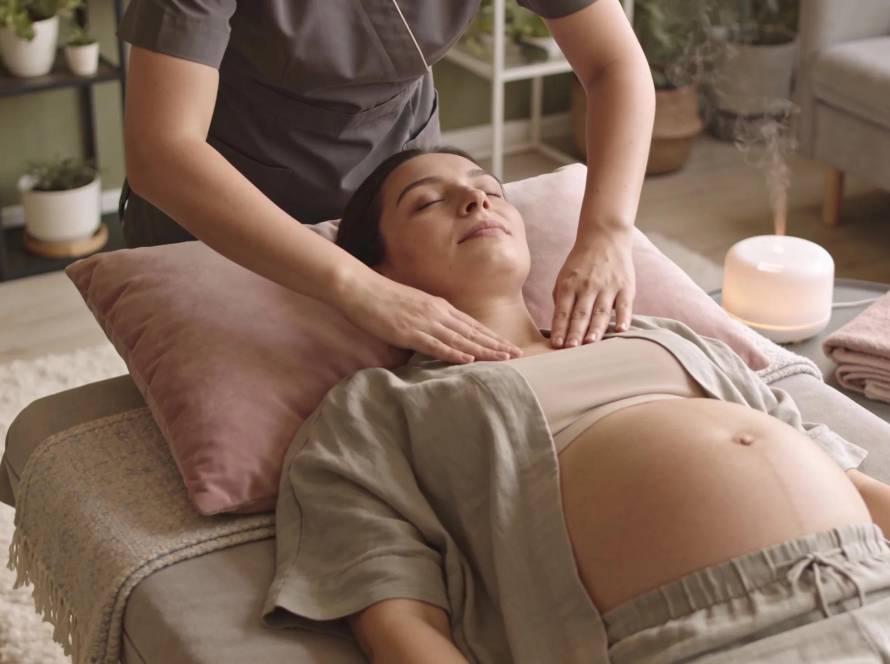
In-home massage therapy offers numerous advantages, primarily by providing therapy in a familiar, private setting where clients can feel more relaxed. This type of service is designed to be accessible, ensuring that individuals with mobility issues can receive therapy without the added stress of transportation.
Mobile Massage Services
Mobile massage services provide flexibility in treatment locations, allowing therapists to come to the client’s home, workplace, or another convenient setting. This ensures that individuals can partake in therapy sessions without disrupting their daily routines or experiencing discomfort related to travel.
Specialized Techniques
NDIS funding can also cover specialized massage techniques tailored to specific conditions. These might include lymphatic drainage, deep tissue therapy, or relaxation techniques that cater to the distinct needs of individuals, enhancing the therapeutic experience.
Limitations and Requirements
While NDIS funding opens doors to valuable services, there are limitations and requirements that participants must navigate to ensure compliance and successful access to funded massage services.
Registered Providers
One of the fundamental requirements is that you must use registered massage providers. This guarantees that the services rendered adhere to NDIS standards and that providers are qualified to deliver therapeutic supports. Working with registered NDIS providers ensures safety and efficacy in treatment.
Documentation
Accurate and complete documentation is crucial for verifying services utilized and ensuring reimbursement. Clients must maintain records of appointments, session notes, and any necessary communications with providers to substantiate claims for funding.
Plan Management
Understanding how different management options affect service access is important. Participants may be either self-managed or plan-managed, affecting how they interact with providers. Self-managed clients have more freedom in selecting their therapists, while plan-managed individuals may need to follow specific protocols established by their funds.
Understanding NDIS Funding for Massage Therapy
To fully utilize NDIS funding for massage therapy, it is essential to grasp how funding works within the scheme. NDIS funding is designated to cover necessary therapeutic supports to improve daily living for individuals living with disabilities.
Types of Massage Services Covered by NDIS
The NDIS recognizes various massage services as eligible, depending on individual needs and goals set within the approved plan. This may include options such as relaxation and therapeutic massages aimed at reducing pain and enhancing mobility.
Which NDIS Support Categories Cover Massage?
Understanding which support categories apply to massage therapy is vital. Core supports and capacity building categories are two principal areas where massage services can be funded. Proper classification enhances participants’ access to necessary services under their plans.
Improved Daily Living vs. Core Supports
A critical distinction exists between improved daily living and core supports, both of which can impact access to massage therapy. Improved daily living supports are designed to develop and maintain skills, while core supports focus on assistance with daily activities, including therapeutic interventions.
NDIS Massage Therapy Eligibility: How to Determine If You Qualify

To qualify for funded massage therapy, participants can assess their eligibility based on specific criteria established by NDIS. Evaluating condition severity and the direct benefits of massage therapy on one’s health can help in determining qualification. Implementing the reasonable and necessary criteria is key to accessing these supports.
The Reasonable and Necessary Criteria
NDIS utilizes the “reasonable and necessary” criteria to assess funding eligibility. This framework ensures that services provided are in alignment with participants’ needs and contribute to their overall well-being and quality of life.
Aligning Massage with Your NDIS Goals
Strategically using your NDIS funding for massage can be achieved by aligning therapies with personal goals. Setting clear objectives and discussing them with NDIS planners can help ensure that the services accessed provide maximum benefit and adhere to the plan’s guidelines.
Self-Managed vs. Plan-Managed Participants
The pathway to accessing massage therapy services may look different for self-managed versus plan-managed participants. Each approach comes with its benefits and considerations that can affect how services are utilized and funded under NDIS.
How Self-Managed Clients Can Claim
Self-managed clients have the autonomy to directly claim funding for massage services. Keeping detailed receipts and session records is essential for seamless claiming processes and maintaining transparency in usage.
The Process for Plan-Managed Clients
Plan-managed clients must navigate through processes involving their plan manager to claim funds for massage services. This includes following specific invoicing procedures and engaging with the plan manager to ensure compliance throughout. Understanding the nuances of NDIS plan management options can simplify this process.
What is NDIS Therapeutic Support and How Does It Apply?
NDIS defines therapeutic support as services designed to improve the functional capacity of participants. Massage therapy falls under this category, offering beneficial outcomes in physical and emotional well-being.
The Role of Allied Health and Therapy Assistants
Allied health professionals often collaborate with massage therapists to design and implement treatment plans tailored to individual client needs. Their expertise ensures that therapy aligns with overall health management goals.
Setting Up Your Service Agreement with Mobile and Home Therapies
Establishing a service agreement with mobile and home therapy providers can help clarify expectations and responsibilities. This agreement should outline service delivery details, fees, and communication protocols to facilitate a smooth therapeutic experience.