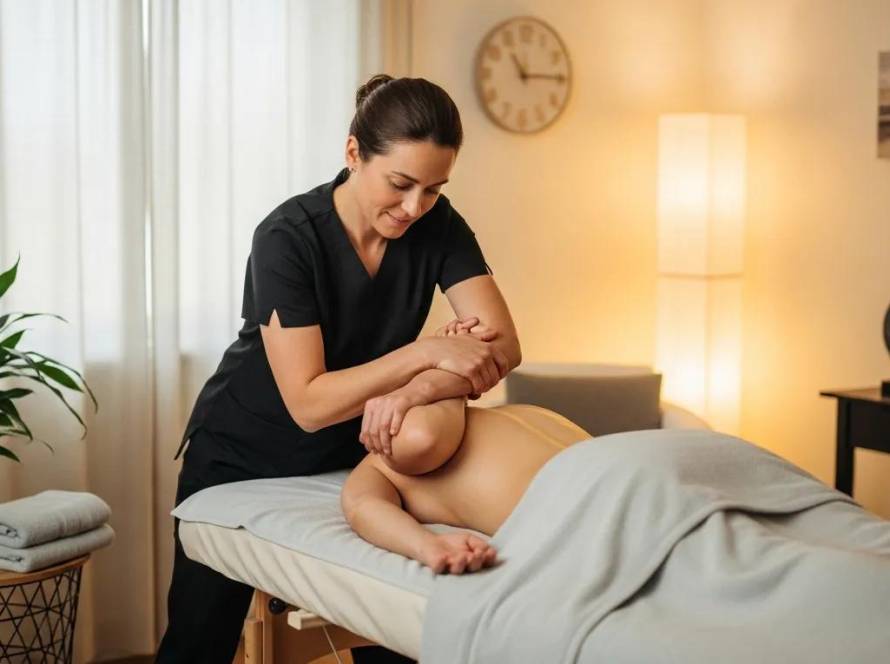
NDIS Mobile Massage Referral Guide for Support Coordinators in Sydney
By Jade Stewart, Mobile And Home Therapies (MAHT)
Support coordinators play a crucial role in connecting NDIS clients with essential therapeutic services, including mobile massage therapy. This article explores the referral process, best practices, and the potential benefits of mobile massage therapy for NDIS participants in Sydney. By understanding how to effectively refer clients, support coordinators can enhance the well-being of those they assist. The challenges faced by NDIS clients often include limited access to traditional therapy settings, making mobile services a valuable alternative. This guide will cover the referral process, best practices, and the unique advantages of mobile massage therapy, ensuring support coordinators are well-equipped to facilitate these essential services.
Referral Process
The referral process for mobile massage therapy involves several key steps that support coordinators must follow to ensure clients receive the appropriate care.
Understanding the administrative tasks and referral procedures is crucial for support coordinators navigating NDIS-funded services.
NDIS Private Therapy Referral Procedures
Participants reported a range of processes that may be required by a rural private therapist to an NDIS-funded service user, including administrative tasks such as referral procedures
The development of a framework for high-quality, sustainable and accessible rural private therapy under the
Australian National Disability Insurance Scheme, A Dew, 2016
- Confirm Eligibility for NDIS Funding: Before initiating a referral, it is essential to verify that the client is eligible for NDIS funding, as this will determine their access to services.
- Identify Client Needs and Preferences: Understanding the specific needs and preferences of the client is crucial. This includes assessing their physical condition, preferences for massage techniques, and any other relevant factors.
- Find Registered Mobile Massage Providers: Support coordinators should compile a list of NDIS-approved mobile massage providers in Sydney, ensuring they meet the necessary qualifications and standards.
By following these steps, support coordinators can streamline the referral process and enhance the likelihood of successful outcomes for their clients.
Best Practices
To enhance the effectiveness of referrals, support coordinators should adhere to several best practices:
- Maintain Open Communication: Regular communication with clients and service providers fosters transparency and trust, ensuring that everyone is on the same page regarding treatment plans.
- Encourage Client Feedback: Actively seeking feedback from clients about their experiences with mobile massage therapy can help coordinators make informed decisions about future referrals.
- Document Therapy Sessions: Keeping detailed records of therapy sessions allows coordinators to track progress and make necessary adjustments to the care plan.
Implementing these best practices can significantly improve the referral experience for both clients and providers.
These strategies are vital for support coordinators aiming to optimize access to allied health services for NDIS participants.
NDIS Support Coordinator Referral Strategies
support coordinators connecting NDIS participants to allied health services in Tasmania and to understand what strategies were used to optimise allied health service access in the state
Connecting Tasmanian National Disability Insurance Scheme participants with allied health services: challenges and strategies of support coordinators, H Bridgman, 2022
Potential Benefits for Clients
Mobile massage therapy offers several advantages for NDIS clients, making it a preferred option for many:
- Convenience of In-Home Therapy: Clients can receive therapy in the comfort of their own homes, eliminating the need for travel and reducing stress.
- Personalized Care Tailored to Client Needs: Mobile therapists can customize treatments based on individual client assessments, ensuring that each session addresses specific concerns.
- Improved Overall Well-Being: Regular massage therapy can lead to enhanced physical and mental health, contributing to a better quality of life for NDIS participants.
These benefits highlight the importance of mobile massage therapy as a valuable resource for NDIS clients.
What Is the Role of Support Coordinators in Referring NDIS Clients to Mobile Massage Therapy?

Support coordinators are pivotal in the referral process for mobile massage therapy. Their responsibilities include assessing client needs, identifying qualified providers, and facilitating communication between clients and therapists. By understanding the unique requirements of each client, support coordinators can ensure that the referral process is smooth and effective. This role not only involves logistical coordination but also emotional support, as clients may feel anxious about accessing new services.
How Do Support Coordinators Facilitate Therapy Access for NDIS Participants?
Support coordinators facilitate access to therapy for NDIS participants through a structured approach:
- Confirm Eligibility and Funding: They verify that clients are eligible for NDIS funding and understand the specific services covered under their plans.
- Establish Service Agreements: Coordinators help clients establish service agreements with mobile massage providers, ensuring clarity on the terms of service.
- Monitor Client Progress: Ongoing monitoring of client progress allows coordinators to make necessary adjustments to therapy plans, ensuring that clients receive the best possible care.
This structured approach ensures that clients have access to the services they need while also adhering to NDIS guidelines.
What Are the Benefits of Mobile Massage Therapy for NDIS Participants in Sydney?
Mobile massage therapy provides numerous health benefits for NDIS participants, including:
- Pain Relief and Improved Mobility: Regular massage can alleviate chronic pain and enhance mobility, which is particularly beneficial for clients with physical disabilities.
- Stress Reduction and Better Sleep Quality: The therapeutic effects of massage can lead to reduced stress levels and improved sleep quality, contributing to overall mental health.
- Holistic Well-Being Improvements: Mobile massage therapy addresses both physical and emotional health, promoting a holistic approach to well-being.
These benefits underscore the value of mobile massage therapy as a therapeutic option for NDIS participants.
Research further supports the tangible benefits of mobile massage therapy, particularly in addressing physical discomforts for NDIS participants.
Benefits of Mobile Massage Therapy for NDIS
or massage therapist if the participant preferred this. muscle pains (Dora had noticed benefits with her shoulder previously).
Evaluating a massage therapy training and treatment programme in a remote Aboriginal community, D Vindigni, 2008
Why Choose Mobile Massage Therapy Over Traditional Clinic Visits?
Choosing mobile massage therapy over traditional clinic visits offers several advantages:
- Convenience and Accessibility: Mobile services eliminate travel barriers, making therapy more accessible for clients with mobility challenges.
- Personalized Care in a Familiar Environment: Clients receive care in their own homes, which can enhance comfort and relaxation during sessions.
- Holistic Benefits for Clients: The personalized nature of mobile therapy allows for a more tailored approach, addressing specific client needs effectively.
These factors make mobile massage therapy a compelling choice for many NDIS clients.
How Does Mobile Massage Support Allied Health Goals Under NDIS?
Mobile massage therapy aligns with allied health goals under the NDIS by enhancing physical and mental well-being. It supports self-care and independence, allowing clients to manage their health more effectively. Additionally, mobile massage can integrate with other health services, creating a comprehensive care plan that addresses multiple aspects of a client’s health. This integration is essential for achieving optimal outcomes for NDIS participants.
How Can Support Coordinators Navigate the NDIS Client Referral Process for Massage Therapy?
Navigating the NDIS client referral process for massage therapy involves several key steps:
- Confirm Eligibility and Funding: Ensure that clients are eligible for NDIS funding and understand their plan details.
- Select Registered Providers: Identify and select registered mobile massage providers who meet NDIS standards.
- Book and Monitor Sessions: Coordinate the booking of therapy sessions and monitor client progress to ensure effective treatment.
By following these steps, support coordinators can effectively navigate the referral process and provide valuable support to their clients.
What Are the Key Steps in Referring Clients to NDIS-Approved Mobile Massage Providers?
Referring clients to NDIS-approved mobile massage providers involves essential steps:
- Confirm Eligibility for NDIS Funding: Verify that the client qualifies for funding to access massage therapy services.
- Identify Qualified Providers: Research and compile a list of NDIS-approved mobile massage providers in the area.
- Establish Service Agreements: Work with clients to establish clear service agreements with selected providers.
These steps ensure that clients receive the necessary support and services tailored to their needs.
How to Verify and Select Registered Mobile Massage Therapy Providers in Sydney?
When selecting registered mobile massage therapy providers, support coordinators should consider the following criteria:
- Verify Provider Registration: Ensure that the provider is registered with the NDIS and meets all necessary qualifications.
- Check Qualifications and Experience: Review the provider’s qualifications, experience, and areas of expertise to ensure they align with client needs.
- Read Client Reviews: Look for feedback from previous clients to gauge the quality of service provided.
This thorough vetting process helps ensure that clients receive high-quality care from qualified professionals.
What Funding and Plan Management Considerations Should Support Coordinators Know for Massage Therapy Referrals?

Support coordinators should be aware of several funding and plan management considerations when referring clients for massage therapy:
- Understand NDIS Funding Categories: Familiarity with the different funding categories under the NDIS is essential for effective referrals.
- Establish Clear Service Agreements: Coordinators should help clients establish clear agreements with service providers to avoid misunderstandings.
- Maintain Documentation for Claims: Keeping accurate records of therapy sessions and expenses is crucial for managing NDIS claims.
These considerations ensure that the referral process is efficient and compliant with NDIS regulations.
How Does NDIS Plan Funding Support Mobile Massage Therapy Services?
NDIS plan funding supports mobile massage therapy services by covering the costs associated with therapy sessions. Participants can access funding for various therapeutic supports, including mobile massage, as part of their overall care plan. Understanding the eligibility criteria and referral processes is essential for clients to maximize their benefits under the NDIS.
What Tips Help Manage Therapy Costs Within NDIS Plans?
To effectively manage therapy costs within NDIS plans, support coordinators can implement the following strategies:
- Choose Registered Providers: Selecting NDIS-registered providers ensures that services are covered under the client’s plan.
- Establish Clear Service Agreements: Clear agreements help prevent unexpected costs and ensure that clients understand their financial responsibilities.
- Encourage Regular Feedback: Regular feedback from clients can help identify any issues early, allowing for timely adjustments to the care plan.
These tips can help support coordinators manage therapy costs effectively while ensuring clients receive the necessary care.