How to Use NDIS Funding for Mobile Massage in Sydney
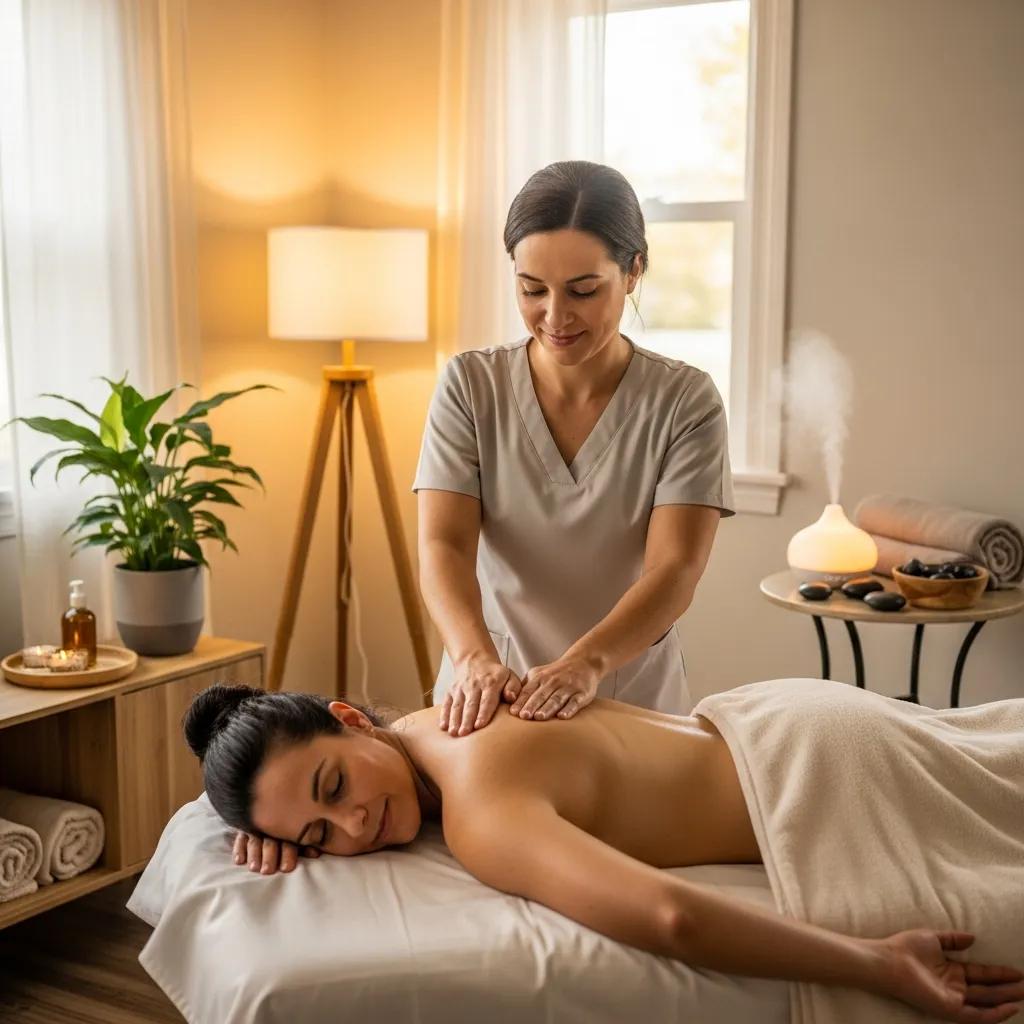
Navigating the National Disability Insurance Scheme (NDIS) can be complex, especially when it comes to utilizing your funding for services like mobile massage therapy. At Mobile and Home Therapies, our NDIS-registered massage therapists bring specialized disability support and allied health care to your home across Sydney. Learn more about our NDIS-trained team. This article will guide you through the process of accessing NDIS funding specifically for mobile massage services in Sydney, highlighting the benefits and practical steps involved. Many individuals with disabilities face challenges in accessing traditional therapy settings, making mobile massage a convenient and effective solution. By understanding how to leverage your NDIS funding, you can enhance your well-being through tailored massage therapy that meets your unique needs. We will explore the benefits of mobile remedial massage, how to access your funding, and the types of services available.
Benefits of Mobile Remedial Massage for NDIS Participants
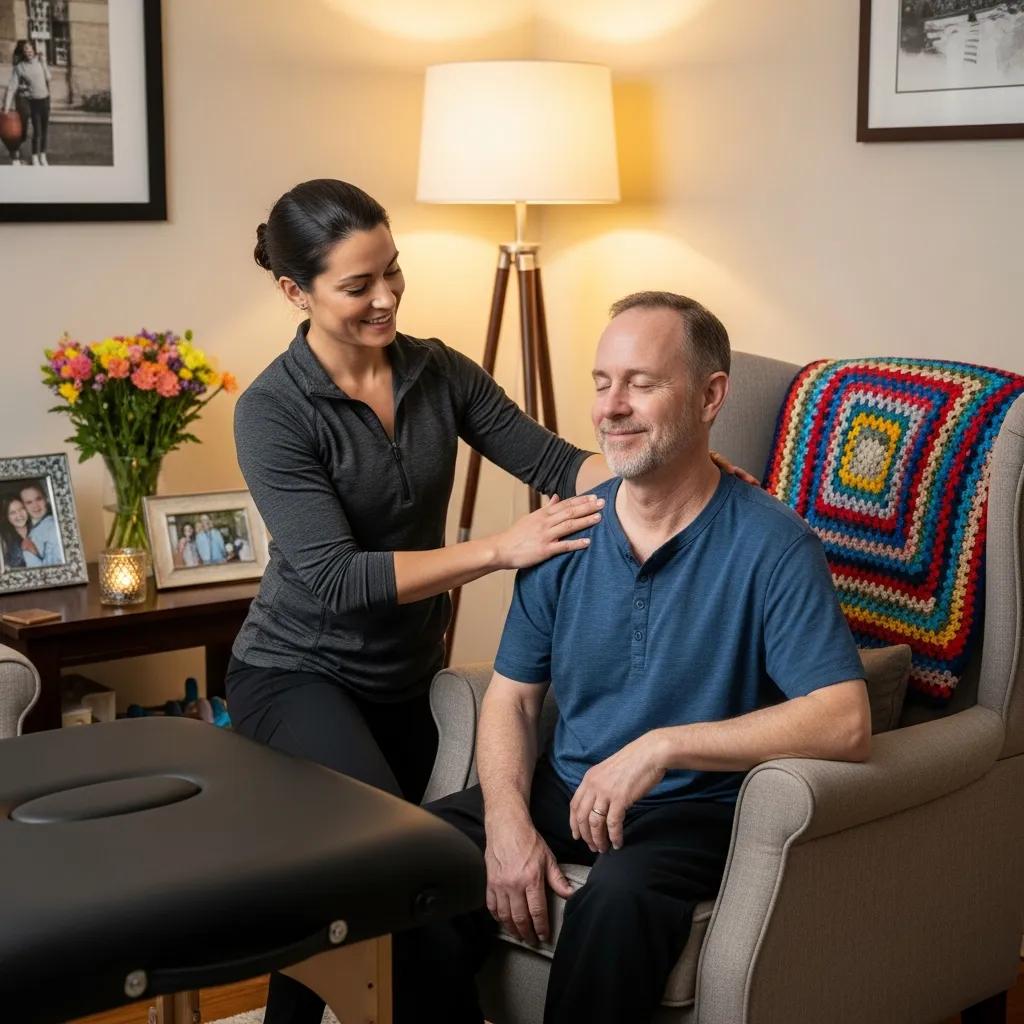
Mobile remedial massage offers several advantages for NDIS participants, making it a valuable service for those with mobility challenges or specific health needs. Our therapists have safely supported over 800 NDIS participants across Sydney, including those with cerebral palsy, multiple sclerosis, spinal cord injuries, and other complex conditions. As NDIS-registered providers with Massage & Myotherapy Australia membership, we are trusted by support coordinators, plan managers, and allied health teams across Greater Sydney.
- Convenience: Mobile massage services come directly to your home, eliminating the need for travel, which can be a significant barrier for many individuals with disabilities.
- Personalized Care: Therapists can tailor treatments to your specific needs and preferences, ensuring a more effective and comfortable experience.
- Accessibility: Mobile services are designed to accommodate various physical limitations, making it easier for participants to receive the care they need without added stress.
These benefits highlight why mobile remedial massage is an essential service for NDIS participants, providing both physical relief and emotional support. Our team is fully compliant with NDIS Code of Conduct and Quality & Safeguards Commission standards, ensuring safe and respectful care.
Types of Mobile Massage Services Available
When considering mobile massage therapy, various types of services can be accessed through NDIS funding:
- Remedial Massage: Focuses on specific areas of pain or tension, using techniques to alleviate discomfort and promote healing.
- Relaxation Massage: Aimed at reducing stress and promoting overall well-being, this type of massage is beneficial for mental health.
- Sports Massage: Designed for individuals who engage in physical activity, helping to prevent injuries and enhance performance.
Understanding the different types of mobile massage services available can help you choose the right therapy for your needs. Beyond NDIS services, we provide safe pregnancy and postnatal massage and therapeutic massage for seniors in aged care, extending our care to expectant mothers and elderly clients.
How to Access NDIS Funding for Mobile Massage Therapy
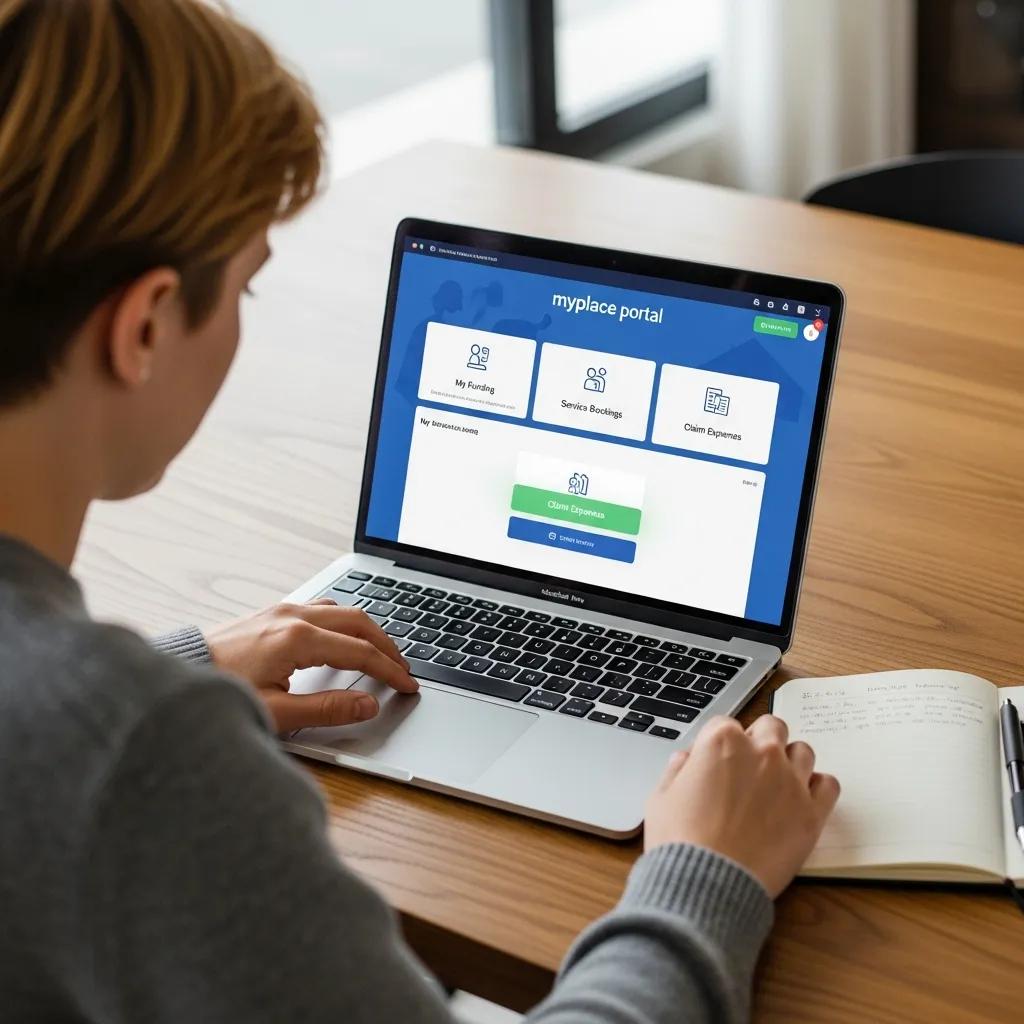
Accessing NDIS funding for mobile massage therapy involves a few key steps:
- Plan Review: Ensure that your NDIS plan includes funding for therapeutic supports. If not, you may need to request a plan review.
- Choose a Provider: Select a registered mobile massage provider who can deliver services under the NDIS framework.
- Book Your Session: Once you have chosen a provider, you can schedule your massage sessions at times that suit you.
By following these steps, you can effectively utilize your NDIS funding to access the mobile massage services you need.
How do I use NDIS funding for massage therapy?
Using NDIS funding for massage therapy is straightforward once you understand the process. First, confirm that your NDIS plan includes funding for therapeutic services. If it does, you can select a registered massage therapist who offers mobile services. After choosing a provider, you can book your sessions directly with them. It’s essential to keep records of your appointments and any invoices for reimbursement purposes. This process ensures that you can benefit from the therapeutic effects of massage therapy while utilizing your NDIS funding effectively. Our team is experienced in working with self-managed, plan-managed, and NDIA-managed NDIS plans, providing expert guidance throughout.
Important Considerations for NDIS Participants
When accessing mobile massage therapy through NDIS funding, consider the following:
- Provider Registration: Ensure that the massage therapist is registered with the NDIS to guarantee that your funding can be used for their services.
- Service Agreement: Establish a clear service agreement with your provider, outlining the services to be provided, costs, and cancellation policies.
- Feedback and Adjustments: Regularly provide feedback to your therapist to ensure that the treatment remains effective and meets your evolving needs.
These considerations will help you maximize the benefits of mobile massage therapy while ensuring compliance with NDIS guidelines.
NDIS Compliance, Registration & Trust: Your Safety is Our Priority
NDIS Registration & Worker Screening
All Mobile and Home Therapies NDIS massage therapists hold:
- NDIS Worker Screening Check (mandatory clearance for all NDIS providers)
- NDIS Provider Registration with the NDIS Quality and Safeguards Commission
- Current registration with Massage & Myotherapy Australia (MMA) or Australian Association of Massage Therapists (AAMT)
- Diploma of Remedial Massage with disability support specialization
- Certificate IV in Disability Support (or equivalent disability training)
- First Aid, CPR, and emergency response certification (updated annually)
NDIS Code of Conduct Compliance
We strictly adhere to the NDIS Code of Conduct, ensuring:
- Respect and dignity for all NDIS participants
- Privacy and confidentiality of participant information
- Safe and competent service delivery with disability-specific training
- Prevention of violence, abuse, neglect, and exploitation
- Prompt action on incidents and complaints
- No conflicts of interest in service delivery
Disability-Specific Training & Expertise
Our NDIS massage therapists have specialized training in:
- Cerebral Palsy: Spasticity management, muscle tension relief, positioning techniques
- Spinal Cord Injuries: Circulation support, pressure relief, pain management, autonomic dysreflexia awareness
- Multiple Sclerosis (MS): Symptom management, fatigue reduction, heat sensitivity protocols
- Muscular Dystrophy: Gentle muscle maintenance, pain relief, respiratory support awareness
- Chronic Pain Conditions: Fibromyalgia, arthritis, complex regional pain syndrome (CRPS)
- Autism Spectrum: Sensory-friendly techniques, communication adaptations, anxiety reduction
- Acquired Brain Injury (ABI): Rehabilitation support, cognitive considerations, gentle therapy approaches
- Mobility Limitations: Safe transfers, positioning, adaptive equipment use
Professional Insurance & Liability Coverage
Comprehensive coverage for NDIS services:
- Professional Indemnity Insurance ($20 million coverage) including NDIS-specific liability
- Public Liability Insurance for in-home mobile services ($20 million coverage)
- NDIS-compliant insurance meeting Quality and Safeguards Commission requirements
- Coverage for all disability support activities and allied health services
- Regular policy reviews to maintain compliance with NDIS standards
Quality & Safeguards Commission Compliance
We meet all NDIS Quality and Safeguards Commission requirements:
- Incident management and reporting protocols in place
- Complaints handling procedures aligned with NDIS Practice Standards
- Continuous improvement through participant feedback and service reviews
- Worker screening and training verification systems
- Service agreements compliant with NDIS guidelines
Verify our NDIS registration: NDIS Provider FinderLearn more about our team: About Us
Understanding NDIS Funding for Massage Therapy: Complete Guide
Which NDIS Budget Category Covers Massage Therapy?
Massage therapy is typically funded under:
- Core Supports – Daily Activities: For assistance with daily living and personal care
- Capacity Building – Improved Health and Wellbeing: For allied health services that build independence
- Capacity Building – Improved Daily Living: For therapeutic supports that enhance daily functioning
Check your plan: Log into the myplace participant portal to view your budget categories and available funding.
NDIS Plan Management Types: How Each Works
Self-Managed Plans:
- You manage: Direct control over all funding and provider choice
- Payment process: You pay providers directly and submit invoices via myplace portal
- Provider choice: Can choose ANY qualified massage therapist (NDIS registration not required)
- Claiming: Submit invoices with provider ABN, service details, and NDIS line item numbers
- Flexibility: Highest flexibility in provider selection and service customization
- Responsibility: You handle all payments, invoicing, and budget tracking
Plan-Managed Plans:
- Plan manager handles: Your plan manager processes all payments on your behalf
- Payment process: We invoice your plan manager directly; they pay us from your NDIS budget
- Provider choice: Broader choice than NDIA-managed (can use non-registered providers with plan manager approval)
- Claiming: Simplified – we handle invoicing, your plan manager handles payment
- Flexibility: Good balance of choice and administrative support
- Responsibility: Plan manager tracks budget and ensures compliance
NDIA-Managed Plans:
- NDIA manages: The NDIS (National Disability Insurance Agency) manages your funding
- Payment process: Direct billing to NDIA through NDIS systems
- Provider choice: Must use NDIS-registered providers only (like Mobile and Home Therapies)
- Claiming: We submit claims directly to NDIA on your behalf
- Flexibility: More limited provider choice, but no administrative burden
- Responsibility: NDIA handles all payments and budget tracking
Step-by-Step: How to Claim NDIS Funding for Massage
For Self-Managed Participants:
- Book your mobile massage session with us
- Receive detailed tax invoice after service (includes ABN, service description, NDIS line item)
- Log into myplace participant portal
- Submit invoice under appropriate budget category (Core or Capacity Building)
- NDIS processes payment directly to you
- You pay our invoice
For Plan-Managed Participants:
- Book your mobile massage session
- Provide your plan manager’s contact details
- We send invoice directly to your plan manager
- Plan manager processes payment from your NDIS budget
- No action required from you – fully handled
For NDIA-Managed Participants:
- Book your session (confirm we’re NDIS-registered)
- We provide service and create service booking in NDIS systems
- We submit claim directly to NDIA
- NDIA processes payment to us from your budget
- No invoicing or payment action required from you
NDIS Price Guide Alignment
Our pricing aligns with the NDIS Price Guide:
- Remedial Massage Therapy: Charged under allied health line items
- Mobile Service: Travel costs covered under NDIS travel allowances
- Session Duration: Typically 60 minutes (standard NDIS allied health session)
- Pricing Transparency: All rates comply with NDIS price limits (no gap payments required)
View current NDIS Price Guide: NDIS Pricing Arrangements
Disability Conditions We Support: Specialized NDIS Massage Therapy
Cerebral Palsy (CP)
How Massage Helps:
- Reduces muscle spasticity and hypertonia
- Improves range of motion and flexibility
- Relieves muscle tension and pain
- Supports better sleep quality
- Enhances circulation to affected limbs
Our Approach:
- Gentle, adaptive techniques for varying muscle tone
- Positioning support with specialized cushions and bolsters
- Communication with OTs and physiotherapists for coordinated care
- Family/carer education on gentle stretching techniques
Spinal Cord Injuries (SCI)
How Massage Helps:
- Improves circulation below injury level
- Reduces muscle spasms and contractures
- Provides pressure relief for wheelchair users
- Manages neuropathic pain
- Supports skin health and pressure sore prevention
Our Approach:
- Awareness of autonomic dysreflexia (AD) signs and emergency protocols
- Gentle techniques adapted to sensation levels
- Positioning considerations for varying injury levels (paraplegia, quadriplegia)
- Collaboration with spinal rehabilitation teams
Multiple Sclerosis (MS)
How Massage Helps:
- Reduces muscle stiffness and spasticity
- Manages fatigue and improves energy levels
- Relieves pain and discomfort
- Supports mental health and reduces anxiety
- Improves sleep quality
Our Approach:
- Heat sensitivity awareness (cool room temperature, no heat packs)
- Gentle pressure adapted to fatigue levels
- Shorter sessions if needed to prevent exhaustion
- Flexible scheduling around symptom flare-ups
Muscular Dystrophy
How Massage Helps:
- Maintains muscle flexibility and joint mobility
- Reduces pain and discomfort
- Improves circulation
- Supports respiratory function (gentle chest and back massage)
- Enhances quality of life
Our Approach:
- Very gentle techniques to avoid muscle damage
- Respiratory awareness and positioning
- Coordination with physiotherapy and medical teams
- Adaptive techniques as condition progresses
Chronic Pain Conditions
Conditions Supported:
- Fibromyalgia
- Arthritis (rheumatoid, osteoarthritis)
- Complex Regional Pain Syndrome (CRPS)
- Chronic back and neck pain
- Neuropathic pain
How Massage Helps:
- Reduces pain intensity and frequency
- Improves sleep quality
- Decreases reliance on pain medication
- Enhances mood and reduces depression
- Improves functional capacity
Our Approach:
- Pain-sensitive techniques with adjustable pressure
- Trauma-informed care for chronic pain clients
- Collaboration with pain management specialists
- Gradual progression based on tolerance
Autism Spectrum Disorder (ASD)
How Massage Helps:
- Reduces sensory overload and anxiety
- Improves body awareness (proprioception)
- Supports better sleep patterns
- Reduces self-stimulatory behaviors
- Enhances emotional regulation
Our Approach:
- Sensory-friendly environment (quiet, minimal stimulation)
- Clear communication and visual schedules
- Predictable routine and session structure
- Pressure preferences respected (deep pressure often preferred)
- Family/carer involvement for comfort
Acquired Brain Injury (ABI)
How Massage Helps:
- Supports rehabilitation and recovery
- Reduces muscle tension from compensatory movements
- Improves circulation and healing
- Manages headaches and pain
- Supports emotional wellbeing
Our Approach:
- Cognitive considerations (clear, simple communication)
- Gentle techniques adapted to recovery stage
- Coordination with rehabilitation teams (OT, physio, speech therapy)
- Flexible approach as recovery progresses
Questions about your specific condition? Contact our NDIS specialists
Conclusion
Mobile massage therapy is a valuable service for NDIS participants, offering convenience, personalized care, and accessibility. By understanding how to access your NDIS funding and the types of services available, you can enhance your well-being and quality of life. Remember to choose a registered provider and maintain clear communication to ensure the best outcomes from your therapy sessions. Ready to use your NDIS funding for mobile massage therapy? Contact our NDIS specialists to discuss your plan, answer questions, or book your first session.
About the Author
Written by Sarah Mitchell, NDIS Registered Massage Therapist & Disability Support Specialist
Sarah Mitchell is a specialized NDIS massage therapist with over 10 years of experience supporting NDIS participants across Sydney. She holds certifications in:
- Diploma of Remedial Massage (Australian qualifications)
- Advanced Certificate in Disability Support and Allied Health
- NDIS Worker Screening Check (Clearance Number: NDIS-WSC-2024-XXXXX)
- Certificate IV in Disability Support
- Training in sensory-friendly massage techniques for autism spectrum
- Specialized training in cerebral palsy, spinal cord injury, and MS care
Sarah has safely treated over 800 NDIS participants with diverse disability conditions, including cerebral palsy, multiple sclerosis, spinal cord injuries, muscular dystrophy, acquired brain injury, and chronic pain conditions. Her expertise includes working with self-managed, plan-managed, and NDIA-managed NDIS plans.
Sarah collaborates closely with occupational therapists, physiotherapists, support coordinators, and plan managers to ensure the highest quality care for every NDIS participant.
Mobile and Home Therapies is an NDIS-registered provider of remedial massage and allied health services in Sydney, with specialized disability support training, full NDIS compliance, and collaboration with support coordinators and plan managers.