Massage for Parkinson's Disease: Effective Techniques for Reducing Tremors and Rigidity
By Jade Stewart, Mobile And Home Therapies (MAHT)
Parkinson’s Disease is a progressive neurological disorder that significantly affects motor functions, leading to symptoms such as tremors, rigidity, and bradykinesia. This article explores how massage therapy can play a pivotal role in alleviating these symptoms. By understanding the underlying mechanisms of tremors and muscle rigidity, we can appreciate how massage therapy may enhance the quality of life for patients. The content will encompass various aspects, including core symptoms of Parkinson’s, effective massage techniques, supporting clinical evidence, access to NDIS-funded therapies, and complementary treatments. Aimed at delivering valuable insights, this guide offers resources for those seeking alternative management strategies for tremors and rigidity.
What Are the Core Symptoms of Parkinson’s Disease Related to Tremors and Rigidity?
Parkinson’s Disease manifests through various core symptoms that significantly impact daily activities. Among these, tremors and muscle rigidity are the most noticeable challenges faced by patients. Tremors typically present as involuntary shaking, which can happen at rest and usually affects the hands, arms, and legs. Rigidity, on the other hand, involves muscle stiffness that restricts movement and can be accompanied by discomfort. Recognizing these symptoms is crucial for understanding how therapeutic interventions, such as massage therapy, can offer relief and improve function.
How Do Tremors Manifest in Parkinson’s Patients?
Tremors in Parkinson’s patients often appear as rhythmic shaking movements, primarily affecting the proximal muscles. This involuntary shaking can lead to significant impacts on mobility, making even routine tasks challenging. Patients may describe their experience as disruptive, causing frustration and affecting their quality of life. The relationship between tremors and massage therapy suggests potential avenues for relief, as skilled manipulation may help reduce the intensity of these symptoms.
What Causes Muscle Rigidity in Parkinson’s Disease?
Muscle rigidity in Parkinson’s occurs due to the dysfunction of neurotransmitters, particularly dopamine. This neurochemical imbalance leads to increased resistance in the muscles during passive movement. Stiffness can be particularly pronounced in the limbs, hindering mobility and daily activities. Addressing muscle rigidity is paramount for Parkinson’s management, as it directly correlates with the need for effective treatment strategies, such as massage therapy, that aim to alleviate tension and improve muscle flexibility.
How Does Massage Therapy Alleviate Parkinson’s Tremors and Rigidity?
Massage therapy has been shown to provide therapeutic benefits for individuals with Parkinson’s Disease, particularly regarding tremor reduction and rigidity relief. The application of various massage techniques can help enhance blood flow, promote relaxation, and relieve muscle tension, both of which are essential for mitigating the symptoms of Parkinson’s. Understanding the nuances of how specific massage modalities work allows for tailored treatment plans that can significantly enhance patient well-being.
Which Massage Techniques Are Most Effective for Tremor Reduction?
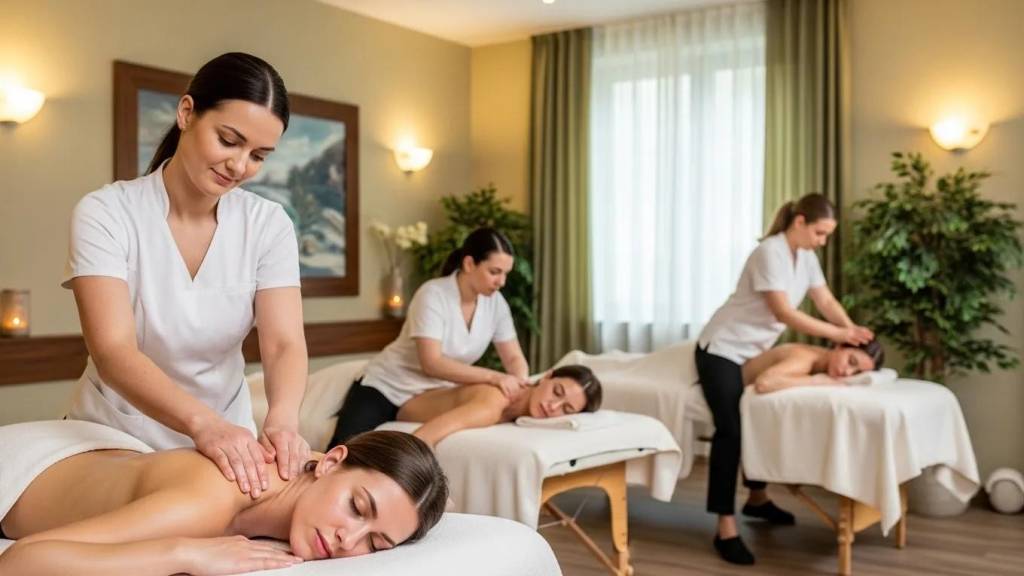
Several massage techniques are particularly effective for managing tremors in Parkinson’s patients. Techniques such as Swedish massage, which employs long gliding strokes, help calm the nervous system and reduce stress-induced tremors. Another technique, deep tissue massage, focuses on releasing tight muscle groups, allowing for smoother movements. A table comparing these techniques can be beneficial for understanding their unique impacts on tremor management:
Technique | Effect | Patient Feedback |
Swedish Massage | Calming and relaxing, reduces anxiety | Positive, helps with stress |
Deep Tissue Massage | Focuses on tight muscles, improves flexibility | Noted reduction in stiffness |
Trigger Point Therapy | Targets specific knots, relieves localized tension | Effective for muscle pain |
This table illustrates how different techniques can cater to individual needs in tackling tremors effectively.
How Does Massage Therapy Help Relieve Muscle Rigidity?
Massage therapy aids in relieving muscle rigidity by promoting relaxation and improving the range of motion in affected areas. Techniques that focus on slow, rhythmic movements help facilitate the release of muscle tension and enhance blood circulation. Additionally, patient case studies indicate significant improvements in mobility and a reduction in discomfort following consistent massage therapy sessions, highlighting its potential as a complementary treatment for muscle rigidity associated with Parkinson’s.
What Clinical Evidence Supports Massage Therapy for Parkinson’s Symptom Relief?
The clinical evidence supporting massage therapy as a treatment for Parkinson’s symptoms is growing, with numerous studies highlighting its efficacy in improving patient outcomes. Research indicates that massage therapy can substantially reduce symptoms of both tremors and rigidity while enhancing overall quality of life.
What Recent Studies Highlight Massage Benefits for Parkinson’s Symptoms?
Recent studies reveal that massage therapy may lead to significant improvements in muscle function, flexibility, and overall well-being among Parkinson’s patients. Some studies noted positive outcomes relating to mobility and tremor intensity changes. These findings underscore the importance of incorporating massage therapy into holistic treatment plans.
How Do Patient Case Studies Illustrate Therapy Outcomes?
Patient case studies illustrate the real-world impact of massage therapy on symptom relief for Parkinson’s patients. For instance, a longitudinal case study documented a patient’s journey of reduced tremors and increased range of motion over several months of regular therapeutic massage sessions. Such narratives provide inspiring insights into the potential benefits these therapies can yield when combined with conventional treatments.
Massage Therapy for Parkinson’s Disease: Alleviating Tremor and Rigidity Parkinson’s disease (PD) is a complex neurological disorder. The disease is progressive and, in time, results in severe disability. Many patients turn to massage in an attempt to alleviate symptoms of pain and rigidity, though the effects of massage with respect to PD are not well studied. This case adds one more instance in which massage therapy has provided temporary respite from resting tremor, one unrelenting symptom of PD. Massage therapy treatment and outcomes for a patient with Parkinson’s disease: a case report, 2016
How Can Parkinson’s Patients Access NDIS-Funded Massage Therapy Support?

Accessing NDIS-funded support for massage therapy is critical for bolstering comprehensive care for Parkinson’s Disease. Understanding the eligibility criteria and process ensures patients can utilize available resources effectively.
What Are the Eligibility Criteria for NDIS Parkinson’s Support?
To qualify for NDIS funding for massage therapy, individuals must provide evidence of their Parkinson’s diagnosis and demonstrate that the therapy meets their therapeutic needs as outlined in their plan. This includes support for mobility, flexibility, and overall health affected by their condition.
How Does the Process Work to Obtain NDIS Massage Therapy Services?
The process of obtaining NDIS massage therapy services typically involves submitting an application detailing the need for therapy. Upon approval, patients can engage with registered providers who specialize in Parkinson’s treatment. Common challenges during the application process include extensive documentation requirements and navigating eligibility criteria, which patients should be prepared to manage.
What Are Additional Tremor Reduction Techniques Complementing Massage Therapy?
Though massage therapy offers numerous benefits for symptom management, integrating it with other techniques can further enhance outcomes. Exploring adjunct therapies allows for a comprehensive approach to managing Parkinson’s symptoms.
Which Neurological Massage Therapy Modalities Enhance Treatment Effects?
Various neurological massage therapy modalities can augment traditional massage techniques, such as myofascial release and craniosacral therapy. These approaches delve deeper into the neuromuscular interactions, providing a broader scope of relief from tremors and rigidity.
What Lifestyle Adjustments Support Rigidity and Tremor Management?
In addition to therapy, specific lifestyle adjustments can significantly benefit individuals with Parkinson’s. Implementing a balanced diet, regular physical activity, and stress reduction techniques can synergize with massage to alleviate symptoms. For instance, patients have reported improved outcomes by combining yoga or tai chi with massage, enhancing both body awareness and movement fluidity.
Where Can Patients Find Expert Massage Therapy Services for Parkinson’s in Sydney?
Access to specialist massage therapy services for Parkinson’s is crucial for tailored treatment. Knowing local providers with expertise in NDIS-funded programs enhances patient options for receiving care.
Which Local Providers Offer NDIS-Funded Parkinson’s Massage Programs?
Numerous local providers in Sydney specialize in NDIS-funded Parkinson’s massage programs, offering personalized care tailored to address specific symptoms. Typically, these providers are well versed in working with neurological conditions and emphasize holistic treatment methodologies.
How to Choose Qualified Therapists for Parkinson’s Symptom Relief?
When selecting a therapist for Parkinson’s symptom relief, it’s essential to prioritize qualifications and experience specific to neurological massage. Look for therapists with relevant certifications and a demonstrated understanding of Parkinson’s treatment methodologies. Additionally, ensuring the therapist employs effective communication skills can enhance the therapeutic relationship, leading to better outcomes for patients.