NDIS-Funded Massage for MS: Managing Pain & Spasticity
By Jade Stewart, Mobile And Home Therapies (MAHT)
Multiple Sclerosis (MS) presents numerous challenges, particularly in managing pain and spasticity that can significantly affect the quality of life. This article provides insights into how NDIS (National Disability Insurance Scheme) massage therapy can serve as an effective treatment option for individuals living with MS. With a focus on understanding the condition, the mechanisms behind therapeutic massage, and navigating the NDIS application process, readers will gain a comprehensive understanding of how to optimize their treatment strategies. The aim is to offer solutions for those seeking effective symptom management while addressing the complexities associated with MS care. We will also explore complementary techniques that can enhance the therapeutic effects of massage, along with practical guidance on accessing qualified practitioners through NDIS.
What is Multiple Sclerosis and How Does It Cause Pain and Spasticity?
Multiple Sclerosis (MS) is a chronic autoimmune disease that affects the central nervous system, leading to inflammation and damage to the protective covering of nerve fibers, known as myelin. This damage disrupts the transmission of signals between the brain and body, resulting in various neurological symptoms and pain. As the body struggles to compensate for disrupted nerve signals, individuals often experience muscle stiffness and involuntary contractions, also referred to as spasticity. The impact of these symptoms on daily life can be profound, reducing mobility, independence, and overall well-being.
What are the neurological symptoms and muscle stiffness in MS?
Common neurological symptoms in MS include numbness, tingling, and severe fatigue. Patients may also experience cognitive difficulties, such as problems with memory or concentration. Muscle stiffness, or spasticity, further complicates the clinical picture, manifesting as tightness or rigidity in the muscles. This stiffness can severely limit a person’s ability to perform routine tasks, leading to frustration and emotional distress.
How does spasticity impact quality of life for people with MS?
Spasticity significantly impacts the quality of life for individuals with MS by hindering mobility and increasing discomfort. Many patients report that spasticity interferes with their sleep, social interactions, and ability to engage in physical activities. This detrimental cycle often leads to heightened emotional distress, which necessitates effective management strategies to mitigate both the physical and psychological challenges associated with MS.
How Does Therapeutic Massage Help Manage Pain and Spasticity in MS?
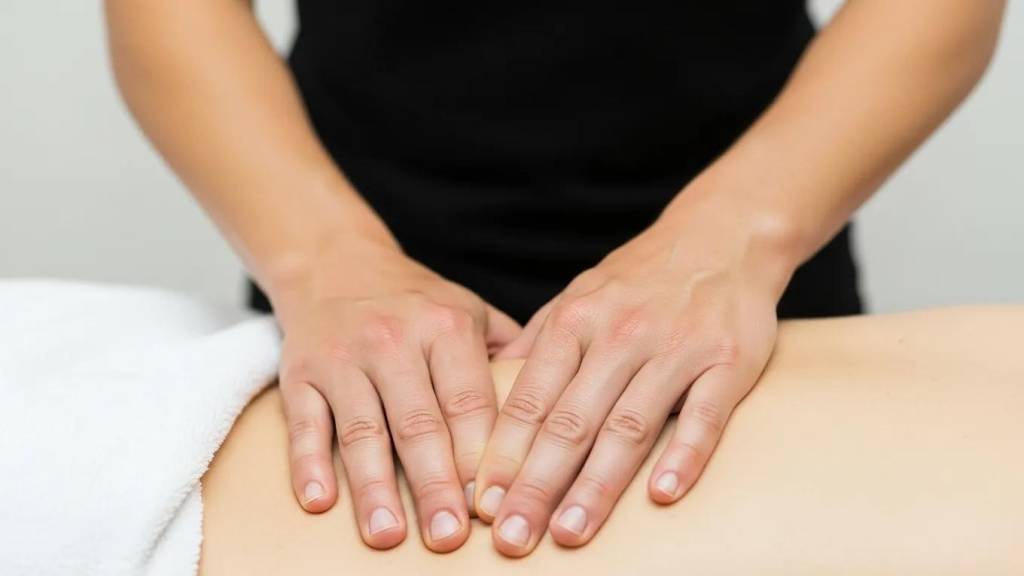
Therapeutic massage can play a crucial role in managing the symptoms of MS by reducing pain and spasticity. The manipulation of soft tissues through various techniques helps promote blood circulation, decrease muscle tension, and enhance relaxation. These physiological responses contribute to pain relief and an overall improvement in the quality of life for those coping with MS.
What types of massage therapy are effective for MS symptom relief?
Several types of massage therapies have shown effectiveness in MS symptom relief, including:
- Remedial Massage: Targets specific areas of tension to release muscle stiffness.
- Deep Tissue Massage: Focuses on deeper layers of muscle and connective tissue, aiding in relaxation and pain relief.
- Myofascial Release: Works on the connective tissues surrounding muscles, promoting greater flexibility and reducing tightness.
These approaches can be tailored to meet individual needs, thereby enhancing their effectiveness in symptom management.
What recent clinical studies support massage for managing MS pain and spasticity?
Recent clinical studies indicate a positive correlation between therapeutic massage and reduced pain and spasticity in MS patients. Research highlights that regular massage therapy sessions can lead to significant improvements in muscle relaxation, decreased anxiety, and an overall uplift in mood. These findings provide compelling evidence for the integration of therapeutic massage into comprehensive MS care plans.
Massage Therapy for Multiple Sclerosis Symptom Relief Multiple Sclerosis (MS) is characterized by degeneration of the myelin sheath of an axon resulting in decreased transmission of nerve impulses. It is an autoimmune disease with periods of exacerbation and remission. Types of MS include relapsing-remitting, acute progressive, chronic progressive attack-remitting, and benign. Symptoms vary from patient to patient. Common symptoms include fatigue, spasticity, swelling, and altered gait. MS is commonly treated with medications that help relieve symptoms and prolong disease progression. Massage Therapy (MT), specifically Swedish techniques, have been effective in treating MS.Effects of massage therapy on multiple sclerosis: A case report, 2020
Which NDIS Programs and Supports Fund Therapeutic Massage for MS Patients?
The National Disability Insurance Scheme (NDIS) offers a range of supports to individuals with disabilities, including funding for therapeutic massage. Understanding the availability and eligibility criteria for these supports is essential for accessing necessary treatments.
What are the eligibility criteria for accessing NDIS massage therapy funding?
Eligibility for NDIS massage therapy funding typically requires that the therapy be deemed necessary for managing a participant’s disability. Assessments may be conducted to evaluate the impact of MS on daily functioning and the potential benefits of therapeutic massage in alleviating symptoms. This ensures that individuals access the support most relevant to their specific conditions.
How to apply and navigate the NDIS process for massage therapy support?
Navigating the NDIS application process involves several key steps:
- Gather necessary documentation: Include medical reports and assessments that support your need for massage therapy.
- Submit your application: This can be done online or in person, depending on preference and availability.
- Follow up: It’s advisable to keep in touch with your NDIS planner to ensure your application is processed efficiently.
Understanding these steps can significantly streamline the process for accessing massage therapy supports.
What Are the Best Techniques for Combining Massage with Other MS Spasticity Relief Methods?
Combining massage therapy with other spasticity relief methods can enhance overall treatment effectiveness. By integrating various approaches, individuals can achieve a more comprehensive management plan that addresses both physical and emotional aspects of MS.
How to integrate therapeutic massage with physiotherapy and specialist exercises?
Collaboration between massage therapists and physiotherapists is critical. Coordinated care can include complementary exercises to support muscle elasticity and strength while utilizing massage to alleviate tension. Such integration fosters a multidisciplinary approach to symptom management, making each therapy more impactful.
Which self-care tips complement massage therapy for MS pain relief?
In addition to massage therapy, self-care plays a vital role in managing MS symptoms. Incorporating practices such as gentle stretching, yoga, and mindfulness meditation can significantly enhance the physical and emotional benefits of massage. Prioritizing these holistic methods allows individuals to better cope with the challenges of living with MS.
What Can MS Patients Expect When Receiving NDIS Massage Therapy?
Individuals receiving massage therapy through the NDIS can expect personalized care aimed at addressing their unique symptoms and needs. During sessions, practitioners will evaluate areas of focus and tailor techniques accordingly to maximize therapeutic benefits.
How long do massage benefits last for MS-related muscle stiffness?
The benefits of massage therapy for muscle stiffness can vary but generally last for several hours to a few days post-treatment, depending on the individual’s specific condition and response. Regular sessions can contribute to longer-lasting relief and improved mobility over time.
Are there any contraindications or precautions for massage in MS?
While massage therapy is largely safe for MS patients, certain precautions should be observed. It’s essential to discuss any specific health concerns with the massage therapist beforehand, particularly if there are severe spasticity episodes, skin sensitivity, or other medical conditions that might be affected by massage techniques.
Where to Find Qualified NDIS Massage Providers Specialized in Multiple Sclerosis Care?
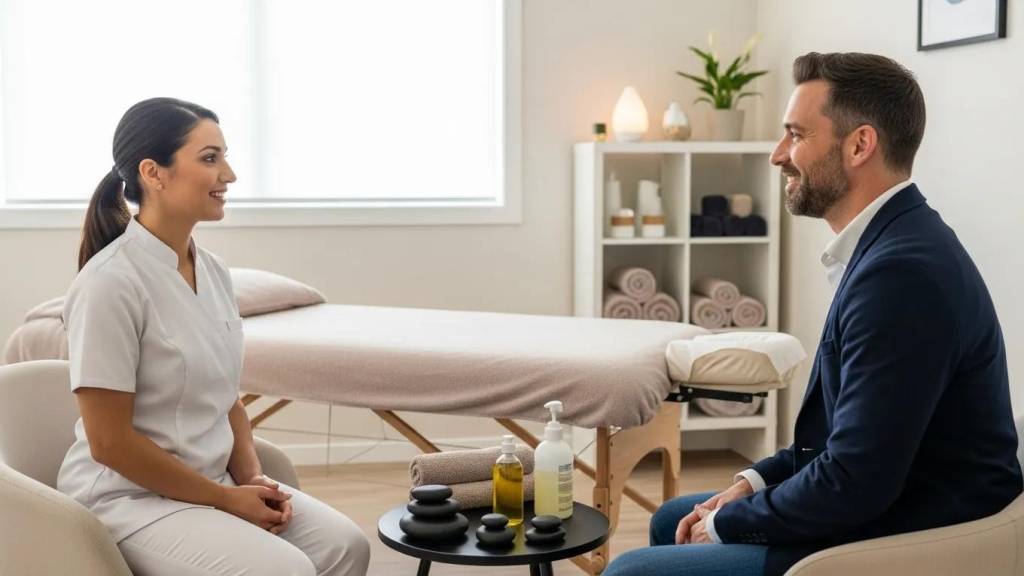
Finding qualified massage providers who specialize in MS care is crucial for obtaining effective treatment. NDIS participants should look for professionals with relevant experience in managing spasticity and pain associated with neurological conditions.
What qualifications and experience should MS massage therapists have?
Ideal massage therapists should hold recognized certifications in massage therapy and have experience specifically with MS clients. Knowledge of therapeutic techniques that prioritize mobility and comfort can significantly impact treatment outcomes. Additionally, skills in communication and empathy between therapist and patient enhance the overall therapeutic experience.
How do MS patients choose affordable and accessible NDIS massage services?
MS patients can start by researching local NDIS providers who offer massage therapy as part of their services. Recommendations from healthcare professionals, alongside community forums and support groups, can provide valuable insights into affordable options available. Utilizing NDIS funding effectively ensures that patients receive appropriate care without financial strain.